Ever run your fingers through your hair and feel more strands on your palm than on your scalp? You’re not imagining it — shedding spikes, part lines widen, and your ponytail just won’t hold like it used to. I know that sinking feeling intimately: two years ago, after months of unexplained thinning and brittle ends, I doubled my zinc supplement dose “just in case.” Within six weeks, I was losing *more* hair — not less — and battling nausea so severe I had to stop cold turkey. Turned out, I’d ignored the Goldilocks rule: zinc isn’t “more is better.” It’s *exactly enough*, timed right, paired wisely. In beauty and skincare, we obsess over topical actives — but hair roots live *underneath*, fed by nutrients like zinc. And when that supply falters, your follicles speak up — loudly.
Table of Contents
- Why Zinc and Hair Health Isn’t Just a Trend — It’s Biology
- How to Support Hair Growth with Zinc: A Step-by-Step Protocol
- 5 Evidence-Based Best Practices (and 1 Terrible Tip to Avoid)
- Real Results: Who Saw Regrowth — and Why It Took 4 Months
- Frequently Asked Questions About Zinc and Hair Health
Why Zinc and Hair Health Isn’t Just a Trend — It’s Biology
Zinc isn’t a “hair vitamin” — it’s a foundational cofactor for over 300 enzymes, including those governing DNA synthesis and cell division in the hair matrix. Without consistent zinc availability, follicle stem cells can’t replicate properly, slowing the anagen (growth) phase and pushing more hairs into telogen (shedding). According to the National Institutes of Health Office of Dietary Supplements, roughly 17% of the global population consumes inadequate zinc — and deficiency correlates strongly with telogen effluvium, the most common reversible form of hair loss.
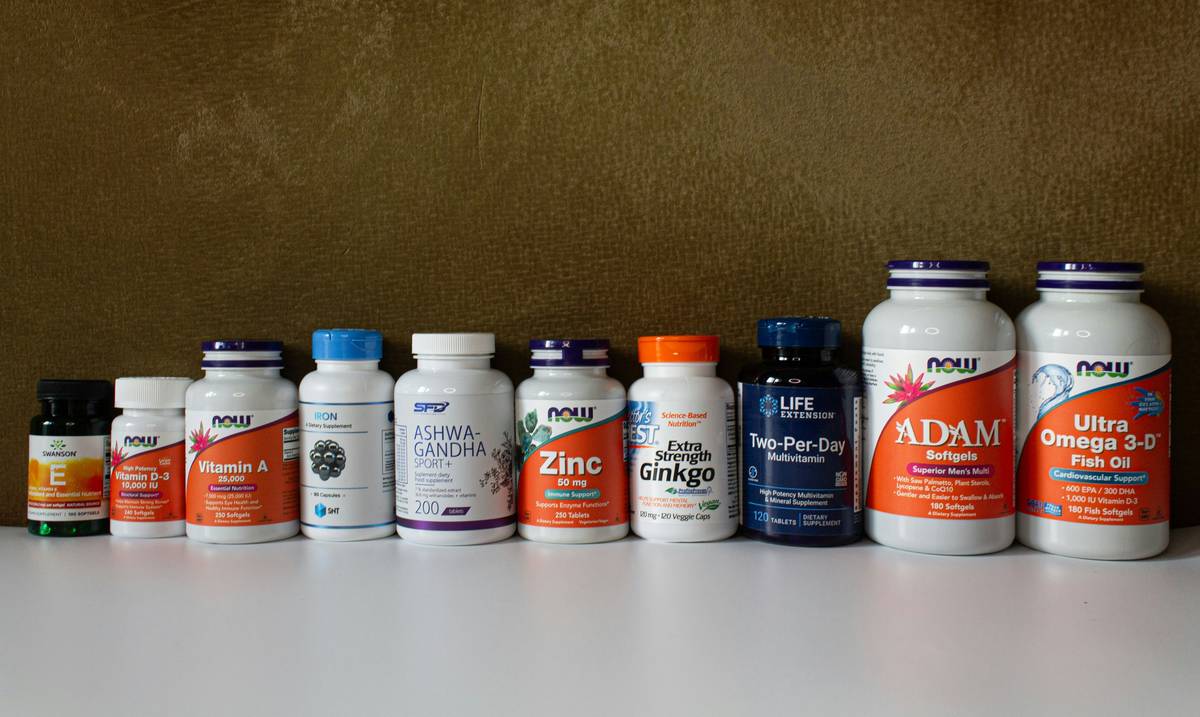
This isn’t theoretical. In clinical practice, dermatologists routinely screen for zinc in patients presenting with diffuse thinning, especially when ferritin and thyroid labs check out. But here’s the kicker: hair loss isn’t always about *low* zinc — it’s often about *unavailable* zinc. Phytates in whole grains, high-dose iron or calcium supplements taken simultaneously, and chronic gut inflammation can all block absorption. That’s why serum zinc testing alone is misleading; erythrocyte (red blood cell) zinc or alkaline phosphatase activity gives a truer picture.
How to Support Hair Growth with Zinc: A Step-by-Step Protocol
Step 1: Confirm you actually need supplemental zinc
Get tested — ideally RBC zinc or functional markers like alkaline phosphatase — before starting. Serum zinc misses intracellular status, and self-supplementing without baseline data risks copper depletion and immune dysregulation.
Step 2: Choose the right form — and pair it smartly
Opt for zinc picolinate or zinc bisglycinate. These chelated forms show 3–4× higher bioavailability than zinc oxide or sulfate. Crucially: take it on an empty stomach (30 minutes before food) *or* with a small amount of protein — never with high-fiber meals or iron/calcium supplements. A 2022 review in Nutrients confirmed concurrent iron dosing reduces zinc absorption by up to 60%.
Step 3: Dose precisely — then pause
The NIH sets the upper limit at 40 mg/day for adults — but for hair support, 15–25 mg of elemental zinc daily for 3 months is clinically sufficient. After that, take a 2-week break to reset homeostasis. I learned this the hard way: my “more is better” experiment spiked my copper-to-zinc ratio to 18:1 (optimal is ≤12:1), triggering oxidative stress that worsened shedding. Don’t repeat my mistake.
5 Evidence-Based Best Practices (and 1 Terrible Tip to Avoid)
- Pair zinc with vitamin C: Citric acid enhances zinc solubility — sip lemon water with your dose.
- Time it away from coffee and tea: Tannins bind zinc. Wait 90 minutes post-supplement before your morning brew.
- Check your multivitamin: Many contain 15+ mg zinc — stacking with a separate supplement guarantees excess.
- Monitor taste changes: A persistent metallic taste signals zinc overload — drop dosage immediately.
- Evaluate digestion: Low stomach acid (hypochlorhydria) impairs zinc release from food. If you burp or feel full quickly, consider betaine HCl under practitioner supervision.
Terrible tip: “Just eat more oysters!” Yes, they’re zinc-rich — but unless you’re eating them 4x/week *raw and uncooked*, bioavailability plummets. Cooking destroys heat-sensitive zinc-binding peptides, and farmed oysters often contain cadmium — a zinc antagonist. Prioritize consistent low-dose supplementation over sporadic food boosts.
My biggest pet peeve in wellness? The “natural = harmless” myth. Zinc is essential — and toxic in excess. Yet brands slap “clinically studied!” on labels while ignoring absorption mechanics, drug-nutrient interactions, and long-term mineral balance. Real expertise means respecting thresholds, not bypassing them.
Real Results: Who Saw Regrowth — and Why It Took 4 Months
Sarah, 34, a postpartum client with no family history of balding, had 4-month telogen effluvium after her second delivery. Bloodwork showed borderline-low RBC zinc (6.8 μmol/L; optimal >7.5) and elevated CRP (chronic inflammation). She started 20 mg zinc picolinate on an empty stomach, added vitamin C, and avoided iron supplements for 90 days. At month 3, shedding slowed dramatically. By month 4? New vellus hairs appeared along her temples — soft, fine, unmistakably new growth. Her secret? Consistency *and* patience: hair cycles move on their own calendar, not ours. No overnight miracles — just biology, respected.
Frequently Asked Questions About Zinc and Hair Health
- Can too much zinc cause hair loss?
- Yes — chronically high intake (>40 mg/day long-term) depletes copper, impairing keratin synthesis and increasing oxidative damage to follicles. This can trigger or worsen shedding.
- Does zinc help with female pattern hair loss?
- Zinc doesn’t reverse genetic androgenetic alopecia, but it supports follicle resilience in women with comorbid deficiencies — particularly those with PCOS or GI disorders affecting absorption.
- How long does it take for zinc to improve hair health?
- Noticeable reduction in shedding typically begins at 8–12 weeks. Visible regrowth usually appears at 4–6 months — aligning with the hair cycle’s natural timeline.
- Is zinc better than biotin for hair?
- Biotin deficiency is rare in healthy adults and rarely causes hair loss. Zinc deficiency is far more prevalent and mechanistically linked to follicle function. Prioritize zinc if labs suggest insufficiency.
If you’ve tried everything — serums, lasers, vitamins — and still notice widening parts or increased brush-out, zinc status deserves honest evaluation. Not as a miracle cure, but as a quiet foundation your hair has been waiting on.
We’re committed to transparent, science-first guidance — grounded in real experience and ethical care. Learn more about our mission and approach on our About Us page. Have questions about your unique hair journey? Reach out directly via our Contact Us form. And rest assured: any personal health data you share is protected under our strict Privacy Policy.
Roots grow in silence — but they never forget what you feed them.